As eco-friendly roofing and siding materials take the spotlight, readers are invited into a world of sustainable choices that not only benefit the environment but also offer cost-saving solutions. This engaging introduction sets the stage for an informative and captivating exploration of eco-friendly construction materials.
The following paragraphs will delve into the various types of eco-friendly roofing and siding materials, shedding light on their benefits, types, considerations, and more.
Benefits of eco-friendly roofing and siding materials
Choosing eco-friendly roofing and siding materials can have numerous benefits for both the environment and homeowners. These materials are designed to be sustainable, energy-efficient, and contribute to a healthier living space.
Environmental Advantages of Sustainable Materials
- Reduce the consumption of natural resources and minimize environmental impact.
- Promote biodiversity and help preserve ecosystems.
- Lower carbon footprint and combat climate change.
Energy Cost Reduction with Eco-Friendly Materials
- Enhance insulation and reduce heat loss, leading to lower energy bills.
- Reflect sunlight and reduce cooling costs during hot weather.
- Increase overall energy efficiency of the home.
Recyclable and Recycled Content Materials
- Materials like metal roofing and fiber cement siding are recyclable at the end of their lifespan.
- Products made from recycled content, such as reclaimed wood or recycled plastic, help reduce waste and promote a circular economy.
- Choosing these materials supports the recycling industry and reduces the need for new resources.
Impact on Indoor Air Quality
- Eco-friendly materials are often free from harmful chemicals and volatile organic compounds (VOCs).
- Improve air circulation and reduce the risk of mold and mildew growth.
- Create a healthier indoor environment for occupants, especially those with respiratory conditions.
Types of eco-friendly roofing materials
When it comes to eco-friendly roofing materials, there are several options available that are both sustainable and durable. Let's explore some of the most popular choices:
Solar Shingles
Solar shingles are a cutting-edge option that not only provide protection for your home but also harness solar energy to generate electricity. These shingles are designed to seamlessly integrate with traditional asphalt shingles, offering a sleek and modern look for your roof.
Metal Roofs
Metal roofs are known for their longevity and durability, lasting up to 50 years or more. They are also highly recyclable, making them a sustainable choice for environmentally-conscious homeowners. Metal roofs come in a variety of styles and colors to suit your aesthetic preferences.
Green Roofs
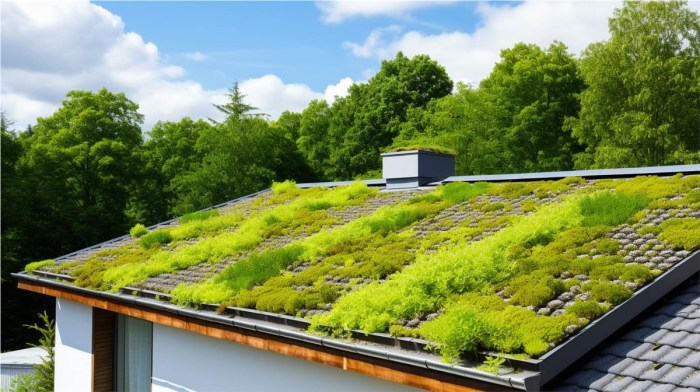
Green roofs, also known as living roofs, consist of a layer of vegetation planted on top of a waterproof membrane. These roofs provide insulation, reduce stormwater runoff, and create a natural habitat for birds and insects. While green roofs require special installation and maintenance, they offer numerous environmental benefits.
Installation Process
The installation process for eco-friendly roofing materials varies depending on the type of material chosen. Solar shingles and metal roofs typically require professional installation to ensure proper placement and sealing. Green roofs involve a more complex process, including adding layers for drainage, soil, and vegetation.
Cost-Effectiveness
While eco-friendly roofing materials may have a higher upfront cost compared to traditional options, they can save you money in the long run. Solar shingles can reduce your energy bills by generating electricity, while metal roofs require minimal maintenance and have a long lifespan.
Green roofs may require more upkeep but can contribute to energy savings and improved air quality.
Types of eco-friendly siding materials
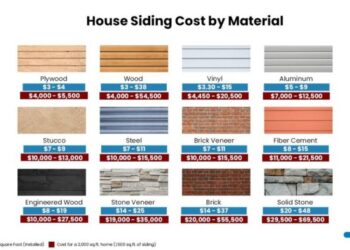
Wood, fiber cement, and reclaimed wood are popular choices for eco-friendly siding materials due to their sustainability and durability.
Wood
Wood siding is a classic choice that offers a natural and rustic look to any home. It is biodegradable and renewable, making it an eco-friendly option. However, wood siding requires regular maintenance such as staining or painting to protect it from rot, pests, and weather damage.
Fiber Cement
Fiber cement siding is a durable and low-maintenance option that is made from a mixture of wood pulp and cement. It is resistant to fire, pests, and rot, making it a long-lasting choice for eco-friendly siding. Fiber cement siding can mimic the look of wood or other materials while requiring minimal upkeep.
Reclaimed Wood
Reclaimed wood siding is sourced from old buildings, barns, or other structures, giving it a unique and rustic appearance. This eco-friendly option reduces waste by repurposing existing materials. Reclaimed wood siding adds character and charm to a home, but it may require more maintenance than other siding materials to prevent deterioration.Overall, eco-friendly siding materials like wood, fiber cement, and reclaimed wood offer a combination of aesthetic appeal, sustainability, and durability.
They provide a natural look to homes while being resistant to pests, weather conditions, and other environmental factors.
Considerations when choosing eco-friendly roofing and siding materials
When selecting eco-friendly roofing and siding materials, there are several important considerations to keep in mind to ensure that they are suitable for your local climate, energy-efficient, sustainable throughout their lifecycle, and potentially eligible for incentives or rebates.
Selecting materials suitable for the local climate
It is crucial to choose roofing and siding materials that can withstand the specific weather conditions of your area. Consider factors such as temperature fluctuations, humidity levels, rainfall, and exposure to sunlight when making your selection.
Importance of choosing energy-efficient materials
Energy-efficient roofing and siding materials can help reduce your home's energy consumption by providing better insulation and reflecting sunlight. Look for materials with high R-values for insulation and light colors that reflect heat to lower cooling costs.
Ensuring sustainability throughout the lifecycle
Opt for materials that are durable, recyclable, and have a low environmental impact. Consider the manufacturing process, transportation emissions, maintenance requirements, and end-of-life disposal of the materials to ensure their sustainability throughout their entire lifecycle.
Incentives or rebates for using eco-friendly materials
Check with local and state government programs, as well as utility companies, for any available incentives or rebates for using eco-friendly roofing and siding materials. These incentives can help offset the initial cost of the materials and make eco-friendly options more affordable.
Final Thoughts
In conclusion, eco-friendly roofing and siding materials offer a plethora of advantages, from reducing energy costs to improving indoor air quality. By choosing sustainable options, we pave the way for a greener and more efficient future. Make the switch to eco-friendly materials today and be part of the solution for a more sustainable tomorrow.
Helpful Answers
Are eco-friendly roofing materials more expensive than traditional options?
Eco-friendly roofing materials can have a higher upfront cost but often lead to long-term savings due to their energy-efficient nature and durability.
Do eco-friendly siding materials require more maintenance?
While some eco-friendly siding materials may require specific maintenance, overall, they are designed to be durable and low maintenance.
How do eco-friendly materials contribute to indoor air quality?
Eco-friendly materials are typically free from harmful chemicals and volatile organic compounds (VOCs), promoting healthier indoor air quality.