As we delve into the realm of fire-resistant siding materials, a world of possibilities and safety measures unfolds before us. Prepare to uncover the different types, installation techniques, maintenance tips, and benefits of these innovative materials. Let's embark on a journey filled with insights and practical knowledge that can help safeguard your property from potential fire hazards.
Types of Fire-Resistant Siding Materials
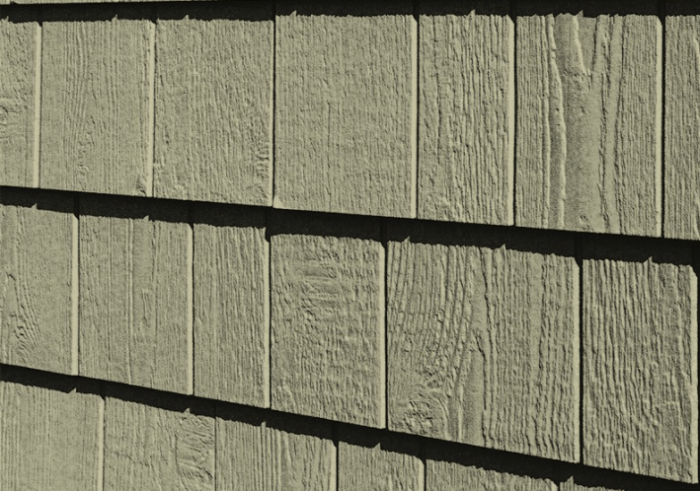
When it comes to protecting your home from the threat of fire, choosing the right siding material is crucial. There are several types of fire-resistant siding materials available, each with its own unique characteristics and level of effectiveness in resisting fire.
1. Fiber Cement Siding
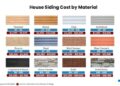
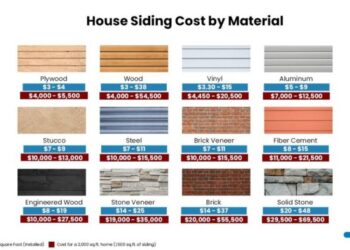
Fiber cement siding is a popular choice for fire resistance due to its composition of cement, sand, and cellulose fibers. This material is non-combustible, meaning it does not ignite when exposed to flames or extreme heat. Additionally, fiber cement siding is durable, low maintenance, and resistant to rot and pests.
2. Metal Siding
Metal siding, such as steel or aluminum, is another fire-resistant option for homeowners. Metal siding is naturally non-combustible and can help protect your home from the spread of fire. It is also resistant to insects, rot, and moisture, making it a long-lasting choice for fire protection.
3. Stucco Siding
Stucco siding is a mixture of cement, sand, and water that creates a durable and fire-resistant exterior for homes. Stucco siding is non-combustible and can provide a high level of fire protection. It is also energy-efficient and has excellent soundproofing qualities.
4. Brick Siding
Brick siding is known for its fire-resistant properties and has been used in construction for centuries. Brick is non-combustible and can help prevent the spread of fire to the interior of a home. Additionally, brick siding is low maintenance and has a long lifespan.
5. Stone Veneer Siding
Stone veneer siding combines the aesthetic appeal of natural stone with the fire-resistant qualities of a manufactured material. Stone veneer siding is non-combustible, durable, and resistant to moisture and pests. It can add a luxurious and fire-safe look to your home.
Installation of Fire-Resistant Siding
When it comes to installing fire-resistant siding materials, it is crucial to follow the correct process to ensure maximum protection for your home. Proper installation not only enhances the fire resistance of the siding but also contributes to the overall safety of the property.To begin the installation process, it is essential to carefully read and follow the manufacturer's instructions provided with the siding materials.
These instructions often include specific guidelines on how to properly install the siding to achieve the best fire-resistant properties.
Tips for Ensuring Proper Installation
- Ensure that the siding materials are installed according to the manufacturer's specifications and guidelines.
- Use the recommended tools and equipment for the installation to ensure accuracy and precision.
- Properly seal all joints and edges of the siding to prevent any gaps that could compromise the fire resistance of the materials.
- Regularly inspect the installed siding for any signs of damage or wear and tear, and address any issues promptly.
Common Mistakes to Avoid During Installation
- Skipping or not following the manufacturer's instructions for installation.
- Improperly sealing joints and edges, leaving gaps that can reduce the fire-resistant properties of the siding.
- Using incorrect tools or equipment that may result in inaccurate installation of the siding materials.
- Not conducting regular maintenance and inspections of the installed siding, leading to potential vulnerabilities.
Maintenance and Care for Fire-Resistant Siding
Proper maintenance is essential to ensure the fire resistance of your siding materials. Regular care and attention can help preserve the integrity of the siding and enhance its ability to withstand fire hazards.
Maintenance Schedule
Creating a maintenance schedule for your fire-resistant siding can help you stay on top of necessary tasks and ensure that your siding remains in optimal condition. Here are some key tasks to include in your maintenance schedule:
- Inspect the siding regularly for any signs of damage or wear.
- Clean the siding at least once a year to remove dirt, debris, and other buildup.
- Check for any gaps or cracks in the siding that could compromise its fire resistance.
- Trim any vegetation near the siding to reduce the risk of fire spread.
Cleaning and Preservation
When cleaning your fire-resistant siding, it's important to use gentle methods to avoid damaging the material. Here are some best practices for cleaning and preserving your siding:
- Use a mild detergent and water solution to clean the siding, avoiding harsh chemicals.
- Rinse the siding thoroughly after cleaning to remove any residue.
- Avoid using abrasive tools or materials that could scratch or damage the siding.
- Consider applying a protective coating or sealant to enhance the fire resistance of the siding.
Repair Techniques
If your fire-resistant siding sustains any damage, it's important to address it promptly to maintain its fire resistance. Here are some techniques for repairing damage to your siding:
- Fill any gaps or cracks in the siding with an appropriate sealant to prevent fire from spreading.
- Replace any damaged sections of the siding to ensure its integrity is maintained.
- Consult a professional if you are unsure how to repair or replace damaged siding properly.
Benefits of Using Fire-Resistant Siding
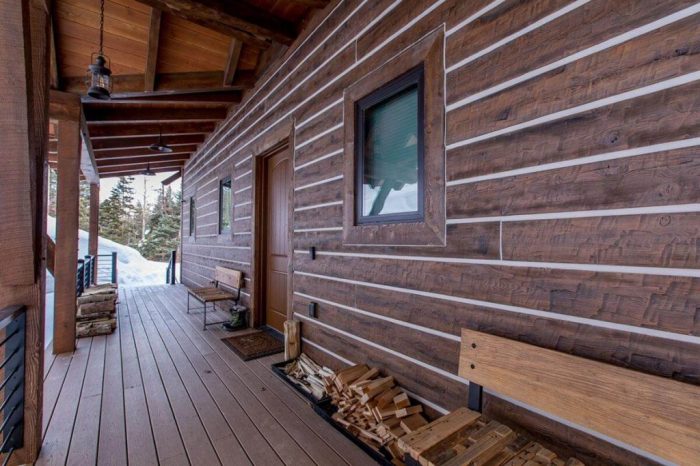
Fire-resistant siding materials offer a multitude of advantages that go beyond just protecting your property from fire damage. Let's explore the various benefits of choosing fire-resistant siding for your home or building.
Enhanced Safety
Fire-resistant siding significantly enhances the safety of your property by reducing the risk of fire spreading quickly. These materials are designed to withstand high temperatures and minimize the spread of flames, providing valuable time for occupants to evacuate safely in case of a fire emergency.
Property Protection
By choosing fire-resistant siding, you are investing in the long-term protection of your property. These materials can help prevent fire from engulfing your home or building, reducing the likelihood of extensive damage and the need for costly repairs or reconstruction.
Cost Savings
While fire-resistant siding may have a higher upfront cost compared to traditional siding materials, the long-term cost savings are substantial. By reducing the risk of fire damage, you can potentially lower insurance premiums and avoid expensive repairs or replacements in the event of a fire.
Additionally, the durability of fire-resistant siding means less maintenance and upkeep over time, saving you money in the long run.
Epilogue
In conclusion, fire-resistant siding materials offer a crucial layer of protection for any property, enhancing safety and providing long-term cost savings. By understanding the various aspects of these materials, you can make informed decisions to safeguard your home or building.
Stay informed, stay safe, and embrace the security that fire-resistant siding can bring.
FAQ Guide
How often should fire-resistant siding be inspected?
Fire-resistant siding should be inspected at least once a year to ensure it remains in optimal condition for fire protection.
Can fire-resistant siding be painted?
It is recommended to use paint specifically designed for fire-resistant siding materials to maintain their fire-resistant properties.
Are there any specific cleaning products to avoid when cleaning fire-resistant siding?
Avoid using abrasive cleaners or solvents that can potentially damage the fire-resistant properties of the siding. Stick to mild detergents and water for cleaning.