Delve into the world of heat and air repair with this comprehensive guide that sheds light on the importance of regular maintenance, common issues requiring repair, DIY tips for prevention, and choosing the right repair service. Get ready to explore the ins and outs of keeping your HVAC systems in top-notch condition.
Importance of Heat and Air Repair
Regular maintenance of heating and air conditioning systems is crucial to ensure they function efficiently and effectively. Neglecting heat and air repair services can lead to a host of issues that can impact both comfort and safety.
Consequences of Neglecting Heat and Air Repair
Neglecting heat and air repair services can result in decreased energy efficiency, leading to higher utility bills. Additionally, a poorly maintained system may struggle to regulate temperature properly, causing discomfort for occupants. In extreme cases, neglecting repairs can even pose safety risks due to potential malfunctions or breakdowns.
Improving Energy Efficiency with Proper Repair and Maintenance
Proper repair and maintenance of heating and air conditioning systems can vastly improve energy efficiency in a home or business. By ensuring that systems are running smoothly and at optimal performance levels, energy consumption can be reduced, resulting in lower utility costs.
Simple tasks like changing filters regularly, cleaning ducts, and repairing any leaks can all contribute to improved energy efficiency and overall system longevity.
Common Issues Requiring Heat and Air Repair
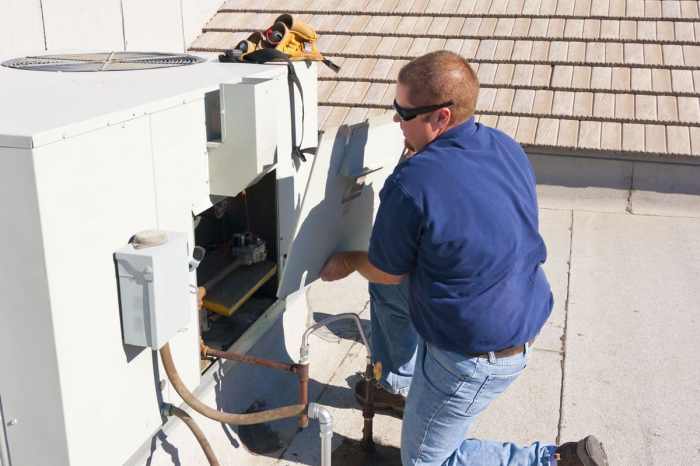
When it comes to heating and air conditioning systems, there are several common issues that can arise, necessitating professional repair services. These issues can impact the efficiency, performance, and overall comfort of your home or business.
1. Refrigerant Leaks
Refrigerant leaks are a common problem in air conditioning systems and can lead to a decrease in cooling efficiency. Signs of a refrigerant leak include reduced cooling capacity, ice buildup on the evaporator coils, and hissing or bubbling noises coming from the unit.
2. Electrical Problems
Electrical issues, such as faulty wiring or damaged components, can cause heating and air conditioning systems to malfunction. Signs of electrical problems include frequent tripped circuit breakers, flickering lights when the unit is running, or a burning smell coming from the system.
3. Thermostat Malfunction
A malfunctioning thermostat can lead to inaccurate temperature readings and improper operation of the HVAC system. Signs that indicate a thermostat issue include inconsistent temperatures throughout the space, the system not turning on or off when it should, or unresponsive controls.
4. Clogged Air Filters
Clogged air filters can restrict airflow in the system, leading to reduced efficiency and increased energy consumption. Signs of clogged air filters include poor air quality, reduced airflow from vents, and an increase in dust and debris around the unit.
5. Wear and Tear
Over time, heating and air conditioning systems can experience wear and tear on components, resulting in reduced performance and potential breakdowns. Signs of wear and tear include strange noises during operation, uneven heating or cooling, and increased energy bills.
Seasonal Impact
Seasonal changes can also impact the performance of HVAC systems and lead to repair needs. For example, extreme temperatures during summer or winter can put added strain on the system, causing it to work harder and potentially break down. Regular maintenance and timely repairs can help prevent issues related to seasonal changes
DIY Maintenance Tips to Prevent Repair Needs
Regular maintenance is key to preventing costly repairs and ensuring your heating and air conditioning systems run smoothly. By following these simple DIY tips, homeowners can keep their systems in top condition and avoid major issues down the line.
Importance of Regularly Changing Air Filters
One of the most important maintenance tasks for HVAC systems is regularly changing the air filters. Clogged or dirty filters can restrict airflow, causing the system to work harder and potentially leading to breakdowns. By changing the filters every 1-3 months, depending on usage, you can improve air quality, increase energy efficiency, and prolong the life of your system.
Tips on Troubleshooting Minor Issues
Before calling a professional for repair services, homeowners can try troubleshooting minor issues themselves. Here are some tips:
- Check the thermostat settings to ensure they are set correctly for heating or cooling.
- Inspect the circuit breaker to make sure it hasn't tripped and is supplying power to the system.
- Clear any debris or obstructions around the outdoor unit to ensure proper airflow.
- Listen for unusual noises or odors coming from the system, which could indicate a problem that needs attention.
Choosing the Right Heat and Air Repair Service
When it comes to selecting the right heat and air repair service, there are several factors to consider to ensure you receive quality and reliable assistance for your HVAC system.
Types of Repair Services
- Emergency Repair: Offers immediate assistance for urgent HVAC issues that require immediate attention to restore comfort in your home.
- Routine Maintenance: Scheduled maintenance to prevent unexpected breakdowns and ensure optimal performance of your heating and cooling systems.
- Installation: Professional installation services for new HVAC units to guarantee proper setup and functionality.
Factors to Consider When Selecting a Service Provider
- Certifications: Look for technicians who are certified by reputable organizations to ensure they have the necessary skills and knowledge to handle HVAC repairs.
- Experience: Choose a repair service with a proven track record of successful repairs and satisfied customers to guarantee quality workmanship.
- Customer Reviews: Check online reviews and testimonials from previous clients to get an idea of the service provider's reputation and reliability.
Importance of Timely Repairs
Regular maintenance and timely repairs are crucial to prevent costly damages in the long run. Ignoring minor issues can lead to major malfunctions, reducing the lifespan of your HVAC system and increasing repair costs. By addressing problems promptly, you can ensure your heating and cooling systems operate efficiently and effectively, saving you money and hassle in the future.
Last Word
In conclusion, maintaining your heating and air conditioning systems is key to ensuring optimal performance and energy efficiency. By following the tips and insights provided in this guide, you can tackle repair needs effectively and keep your home or business comfortable year-round.
Stay proactive in your approach to heat and air repair to avoid costly issues down the road.
Question & Answer Hub
What are the consequences of neglecting heat and air repair services?
Neglecting repair services can lead to decreased energy efficiency, higher utility bills, and potential system breakdowns.
How often should air filters be changed to prolong the life of HVAC systems?
Air filters should ideally be changed every 1-3 months to maintain system efficiency.
What factors should be considered when selecting a reliable repair service provider?
Factors to consider include certifications, experience, customer reviews, and response time for emergency repairs.